

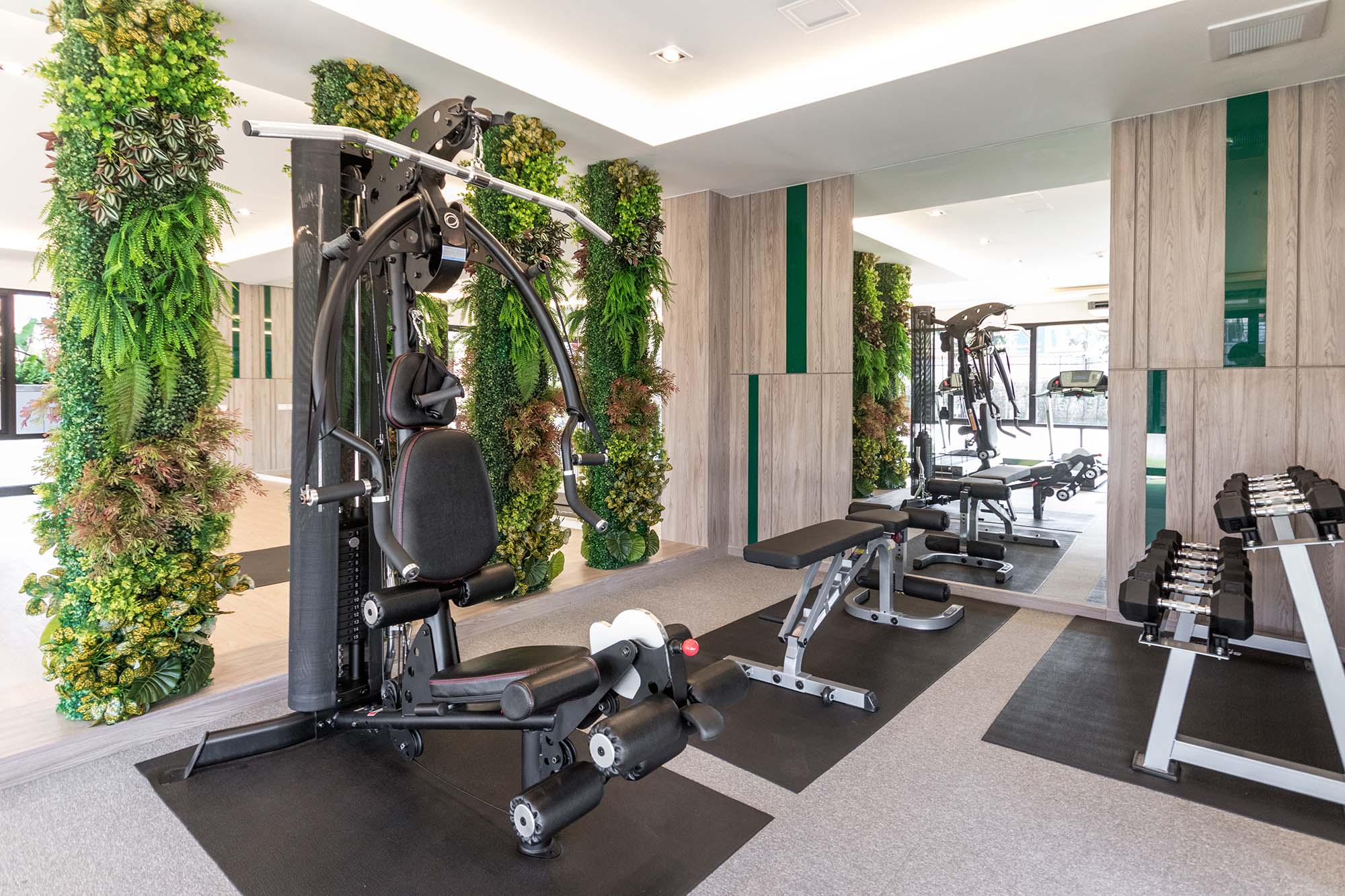
Creating a workout space at home gives you the flexibility to exercise on your own schedule without traveling to a gym. Whether you are setting up a dedicated fitness room, converting an unused area, or creating a compact exercise corner, choosing the right flooring is an important part of planning your space.
Your flooring needs to suit the equipment you use, the movements you perform, and the conditions of the room. Tile flooring may be worth considering for certain home gym environments, particularly when you want a defined, easy to clean surface. However, not every tile is suitable for every workout activity, so it is important to evaluate your needs before making a decision.
If you are exploring tile flooring options, start by thinking about how your workout space will function rather than choosing a design based on appearance alone.
Identify Your Main Workout Activities
The type of exercise you plan to do should guide your flooring decision. A room used for stretching, yoga, or light exercise has different requirements from a space where you lift weights or perform high impact training.
For a workout area focused on stretching and controlled movements, you may appreciate a tile surface that is easy to maintain and visually complements the room. You will still need an appropriate exercise mat to provide cushioning and grip where required.
If you plan to use heavy weights, kettlebells, or equipment that could be dropped, ordinary tile may not be the best exposed workout surface. Impact can crack tiles or damage grout, while hard surfaces provide little cushioning. In that situation, specialized rubber gym flooring or protective mats may be more appropriate over a properly prepared floor.
Consider Slip Resistance
Traction matters when you are exercising at home. Sweaty feet, water from a bottle, or cleaning residue can make some flooring surfaces slippery, creating a potential hazard during movement.
When comparing tile products, review the manufacturer's slip resistance information and intended applications. A tile that looks suitable may not offer the traction you need for your particular exercise routine.
You should also consider how you plan to use exercise mats. Make sure your mat stays in place and provides suitable grip for your movements. Tile selection alone cannot guarantee a safe workout environment, so evaluate the complete floor setup before you begin exercising.
Think About Equipment Placement
Your workout equipment can affect the type of flooring protection you need. Treadmills, stationary bikes, weight benches, and storage racks place different loads on the floor, while equipment with small feet may concentrate pressure on limited areas.
Before installing tile, consider where each item will sit and whether the floor and subfloor are suitable for the expected load. Use manufacturer approved protective mats where appropriate to help reduce direct contact, movement, and localized wear.
If you are planning to install heavy equipment, confirm that the subfloor can support it and that your tile installation is suitable for the intended use. A qualified flooring professional can help you assess the requirements before installation.
Select a Tile Appearance That Suits Your Space
A home gym can be functional without feeling industrial or unfinished. Tile gives you options for creating a fitness area that matches the overall style of your home.
Neutral shades can create a simple background for exercise equipment, while more distinctive colors can help establish the personality of the room. If your gym shares space with another room, you can consider a tile appearance that complements nearby wall colors and furnishings.
Think about the room's lighting as well. A lighter tile may help a small space feel brighter, while a darker design can create a more dramatic look. Checking samples in the actual room can help you understand how the color appears under your lighting conditions.
Plan for Sweat and Cleaning
Exercise spaces need regular cleaning because sweat, dust, and residue can accumulate during use. Tile may offer practical cleaning benefits, but the specific maintenance requirements depend on the tile type, surface finish, grout, and cleaning products you use.
Choose a cleaning routine that follows the manufacturer's recommendations. Wipe up moisture promptly, use suitable cleaning products, and avoid treatments that could leave the surface slippery. Pay attention to grout lines as well, since their maintenance needs can differ from those of the tile surface.
Good ventilation can also help your workout room remain comfortable. Although flooring contributes to the room's usability, air circulation and moisture control are equally important parts of maintaining the space.
Evaluate the Existing Floor and Subfloor
Before choosing tile, examine the room where you intend to create your home gym. The condition of the subfloor can influence whether a tile installation is appropriate.
Tile generally requires a suitable, stable substrate and proper installation. Movement, unevenness, or an unsuitable subfloor can contribute to cracking and other problems. If your workout area is in a basement, you should also investigate moisture concerns before selecting flooring materials.
Address existing structural or moisture issues before installation. Taking the time to evaluate these conditions can help you avoid choosing a flooring product that is not suited to the space.
Compare Tile With Other Flooring Materials
Tile is only one option for a home workout area. Depending on your exercise routine, you may need a different material or a combination of flooring and protective surfaces.
For example, a tiled room with appropriate exercise mats may work for certain light workouts, while a dedicated weight training area may benefit from specialized impact absorbing flooring. You can also compare laminate flooring options when considering materials for other rooms in your home, although laminate should not automatically be treated as a suitable surface for heavy weights or high impact exercise.
Evaluate the demands of your workout first, then choose the flooring solution that matches those requirements.
Create a Workout Space That Works for You
A successful home gym begins with practical planning. When you consider your exercise routine, equipment, traction needs, cleaning requirements, and subfloor conditions, you can make a more informed decision about whether tile is appropriate for your space.
If you are planning a flooring project in Denison, Sherman, Anna, or Gainesville, Texas, or Durant, Oklahoma, Texoma Tile & Plank Co can help you explore available flooring options. Contact Texoma Tile & Plank Co to discuss your project and determine which flooring choices may suit your home's needs.

