

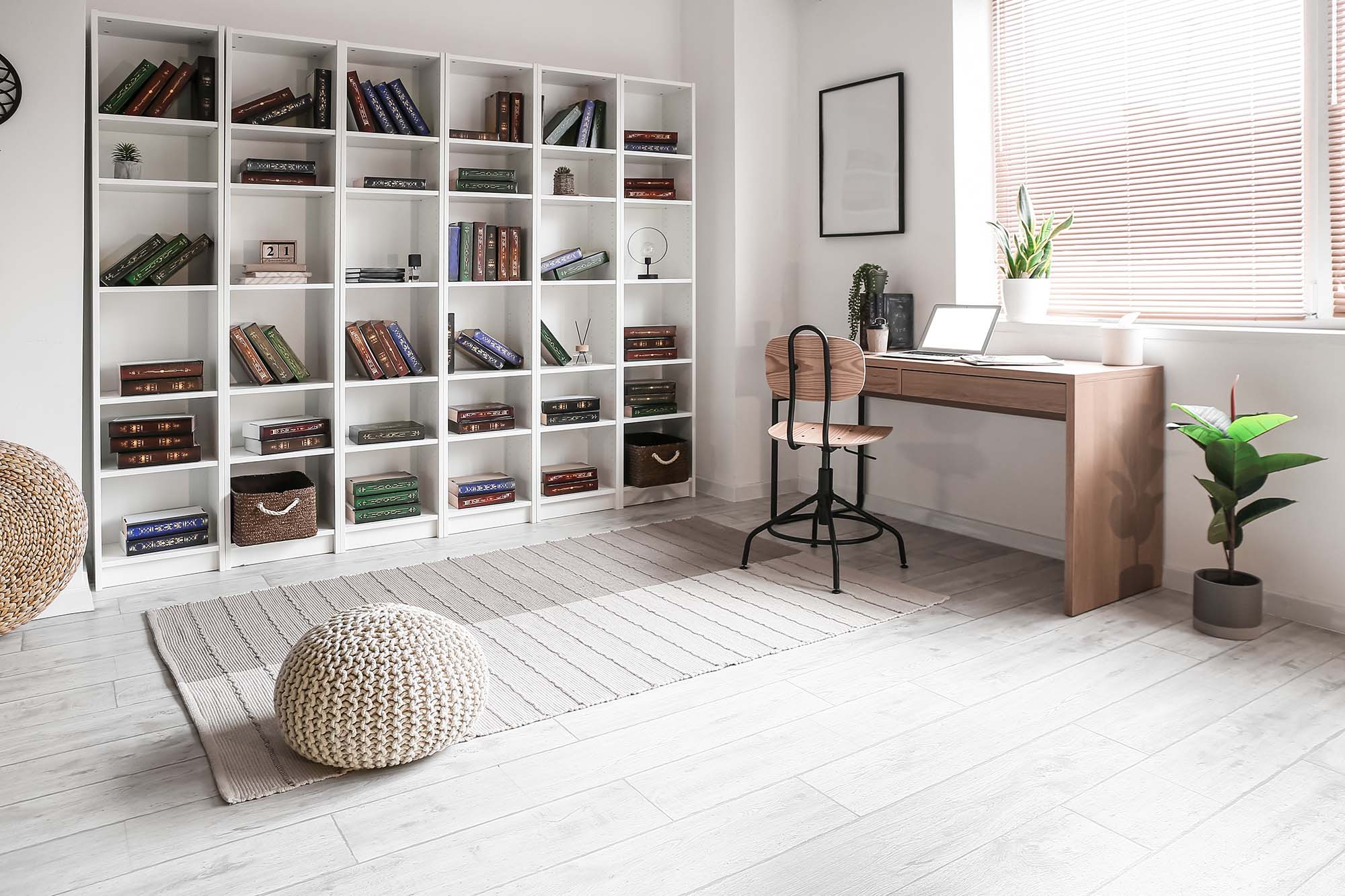
A reading nook can give you a dedicated place to slow down, read, enjoy a cup of coffee, or simply spend a few quiet minutes during a busy day. You do not necessarily need an entire room to create one. An unused corner, space beside a window, or section of a larger room can become a comfortable reading area when you make thoughtful choices about furniture, lighting, colors, and flooring.
Laminate flooring can be an important part of that design because it helps establish the visual foundation beneath your reading area. When you choose a floor that works with your preferred atmosphere, you can make even a small corner feel like a deliberate part of your home rather than an afterthought.
If you are considering laminate flooring for your home, you can look beyond the basic purpose of the floor and think about how it can contribute to the character of a personal space.
Start With the Feeling You Want
Before choosing flooring for your reading nook, think about how you want the area to feel when you use it. You might prefer a warm and traditional corner with a comfortable armchair, a small side table, and a floor lamp. Or you might want a cleaner contemporary space with a simple chair, a small bookshelf, and minimal decoration.
Your flooring can support that atmosphere without becoming the main attraction. A wood inspired laminate floor can provide a natural looking foundation that works with many different decorating approaches.
You can then build the rest of the nook around that foundation. Your chair, rug, lighting, artwork, and accessories can add personality while the flooring helps anchor the entire arrangement.
Make a Small Corner Feel Purposeful
You do not need a large amount of floor space to create a reading nook. In fact, a small corner can sometimes be easier to define because you only need a few carefully selected pieces.
Place a comfortable chair in the area and consider adding a compact table where you can keep a book, reading glasses, or a drink. A floor lamp can provide focused lighting without taking up the space required for a larger lighting fixture.
The laminate flooring underneath these pieces can help establish the area as a distinct part of your room. You can also add a small rug if you want to introduce another layer of texture and visual interest.
Choose Furniture That Works With the Floor
Your reading nook should feel comfortable, but the furniture should also work visually with your flooring. If you choose a chair with natural wood legs, for example, you can consider how its wood tone relates to the laminate beneath it.
You do not have to match every wood surface exactly. Instead, look for colors that complement one another. A contrast between the chair and flooring can make both elements more noticeable, while similar tones can create a softer appearance.
You can also use upholstery to introduce contrast. A neutral chair can work well with a more distinctive laminate floor, while a patterned chair may look better with a flooring appearance that is less visually active.
Use a Rug to Add Another Layer
A rug can change the character of a reading nook without requiring you to make any changes to the flooring itself. You can use it to introduce color, pattern, or texture while allowing some of the laminate flooring to remain visible around the edges.
When choosing a rug, consider its size carefully. A rug that is too small can make the chair appear disconnected from the rest of the space. A slightly larger rug can help bring the chair, table, and lamp together into one defined arrangement.
You should also consider how the rug interacts with the flooring pattern. If your laminate has a noticeable wood inspired appearance, a simpler rug may allow the floor and furnishings to work together without creating too much visual competition.
Use Lighting to Highlight the Area
Lighting can have a major influence on how inviting your reading nook feels. If you have a location near a window, you can take advantage of natural light during the day. For evening reading, you can add a floor lamp or table lamp that provides comfortable illumination.
The flooring can contribute to the overall effect by reflecting the colors and textures you have selected throughout the area. Lighter flooring can help a small corner feel more open, while a deeper flooring tone can contribute to a more intimate atmosphere.
Rather than selecting flooring based solely on the amount of natural light in the room, consider the entire combination of flooring, wall color, furniture, rugs, and lighting.
Build Around a Bookshelf
If you enjoy keeping your books close by, a bookshelf can become the main feature of your reading nook. You can use a tall bookshelf to create a strong vertical element or choose a shorter shelf that doubles as a display area for books and decorative pieces.
Think about how the bookshelf relates to your laminate flooring. A wooden shelf can create a layered wood appearance, so you may want to select complementary rather than identical tones.
If your bookshelf has a painted finish, you have even more flexibility. You can use the floor as a neutral foundation and let the bookshelf provide a stronger accent.
Create a Reading Nook for Different Ages
A reading nook does not have to be designed exclusively for one person. You can create a flexible space that works for different members of your household. A comfortable chair can provide a quiet place for you to read, while a nearby basket or low shelf can keep books accessible for children.
If you want the space to serve multiple purposes, select furniture that is easy to rearrange. A small side table can move when necessary, and a lightweight accent chair can be repositioned elsewhere in the room.
Your laminate flooring can provide a consistent surface underneath these changes, allowing you to adapt the nook as your needs evolve.
Consider the Rest of the Room
Although the reading nook can have its own personality, you should still consider the room around it. Look at the colors and materials already present before introducing new pieces.
If your surrounding furniture has strong colors, you might prefer a quieter reading nook. If the rest of the room is relatively neutral, you can use your chair, rug, artwork, or accessories to introduce more personality.
You can also think about how your flooring choice works beyond the reading nook. If you are comparing materials for other areas of your home, you can explore tile flooring options as another possibility for spaces where you want a different visual or functional approach.
Make the Space Personal
The best reading nooks often include small details that make the space feel personal. You might add a favorite chair, a collection of books, a framed photograph, a small plant, or a decorative lamp.
These details do not need to follow a particular design trend. Your reading nook should reflect what makes you comfortable. The flooring simply provides the surface that brings the entire arrangement together visually.
You can also change the smaller elements over time without replacing the floor. A different cushion, rug, lamp, or piece of artwork can give the space a new appearance while the laminate remains a dependable part of the design.
Turn an Unused Corner Into Somewhere You Enjoy
An unused corner does not have to remain empty. With the right combination of flooring, furniture, lighting, and personal details, you can turn it into a place you genuinely want to use.
Laminate flooring can provide a versatile foundation for this type of project. By considering the atmosphere you want, the furniture you prefer, the available light, and the surrounding room, you can create a reading nook that feels comfortable and intentional.
If you are planning a flooring project in Denison, Sherman, Anna, Gainesville, or Durant, Texoma Tile & Plank Co can help you explore options for your home. Contact us today to discuss your project and find flooring that supports the way you want to use your space.

